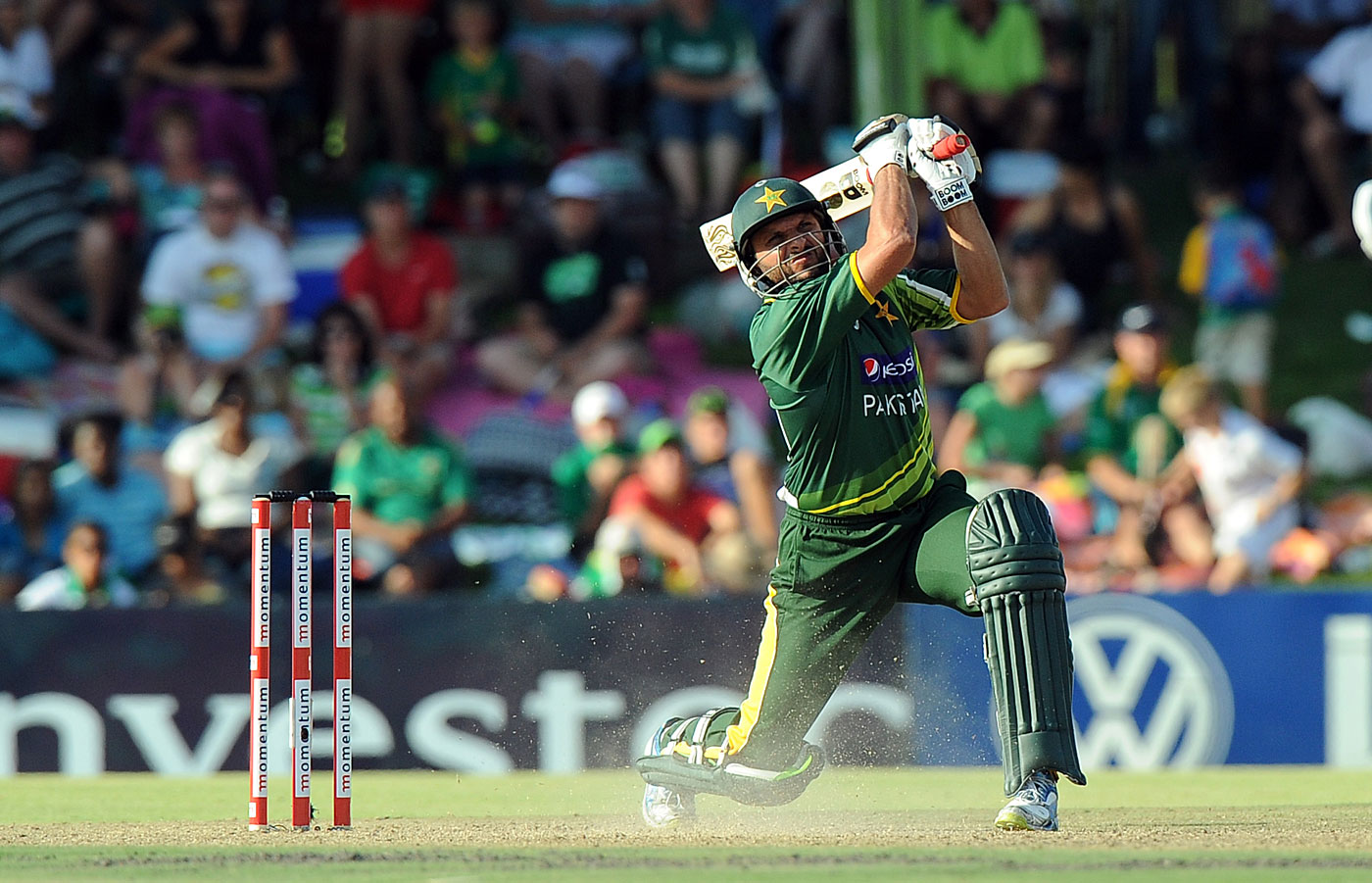
Cricket has always been about moments that take your breath away, and nothing excites fans more than a towering six that clears the boundary with ease. These shots combine perfect timing, raw strength, and audacity, creating memories that live long after the match ends. From Shahid Afridi’s legendary 153-meter strike to Tim David’s massive 129-meter hit in 2025, the game has seen some unforgettable long-distance sixes.
In this article, we rank the top 15 longest sixes in cricket history, provide match context, and explore the players’ technique and impact on the sport. Whether you’re a fan or an aspiring cricketer, these moments show the evolving art of power-hitting in modern cricket.
Criteria for Selection
To ensure an accurate and meaningful list, we evaluated each six using multiple factors rather than relying on distance alone. This approach balances spectacle with cricketing significance.
The selection criteria include:
- Verified Distances: Only sixes with confirmed measurements from credible sources
- Match Context: Importance of the six in influencing the game outcome
- Player Impact: Contribution of the shot to the player’s career records and milestones
Using these criteria, we created a list that not only celebrates power-hitting but also acknowledges the significance of these moments in cricket history.
The Top 15 Longest Sixes
Here is a structured view of the top 15 longest sixes in international cricket, including player, team, opponent, distance, and year:
| Rank | Player | Team | Opponent | Distance (m) | Year |
|---|---|---|---|---|---|
| 1 | Shahid Afridi | Pakistan | South Africa | 153 | 2013 |
| 2 | Brett Lee | Australia | England | 130 | 2005 |
| 3 | Tim David | Australia | India | 129 | 2025 |
| 4 | Martin Guptill | New Zealand | South Africa | 127 | 2012 |
| 5 | Liam Livingstone | England | Pakistan | 122 | 2021 |
| 6 | Corey Anderson | New Zealand | India | 122 | 2014 |
| 7 | Mark Waugh | Australia | New Zealand | 120 | 1999 |
| 8 | Yuvraj Singh | India | Australia | 119 | 2007 |
| 9 | MS Dhoni | India | New Zealand | 118 | 2009 |
| 10 | Shahid Afridi | Pakistan | Australia | 118 | 2005 |
| 11 | Shivam Dube | India | Australia | 117 | 2025 |
| 12 | Chris Gayle | West Indies | India | 116 | 2010 |
| 13 | Ijaz Ahmed | Pakistan | India | 115 | 1999 |
| 14 | Rohit Sharma | India | South Africa | 108 | 2018 |
| 15 | Adam Gilchrist | Australia | India | 104 | 2004 |
These shots are more than just numbers—they reflect skill, timing, and the evolution of power-hitting over decades. Some players, like Shahid Afridi and Tim David, appear multiple times because of their unique ability to combine strength with precision.
Shahid Afridi – 153 Meters
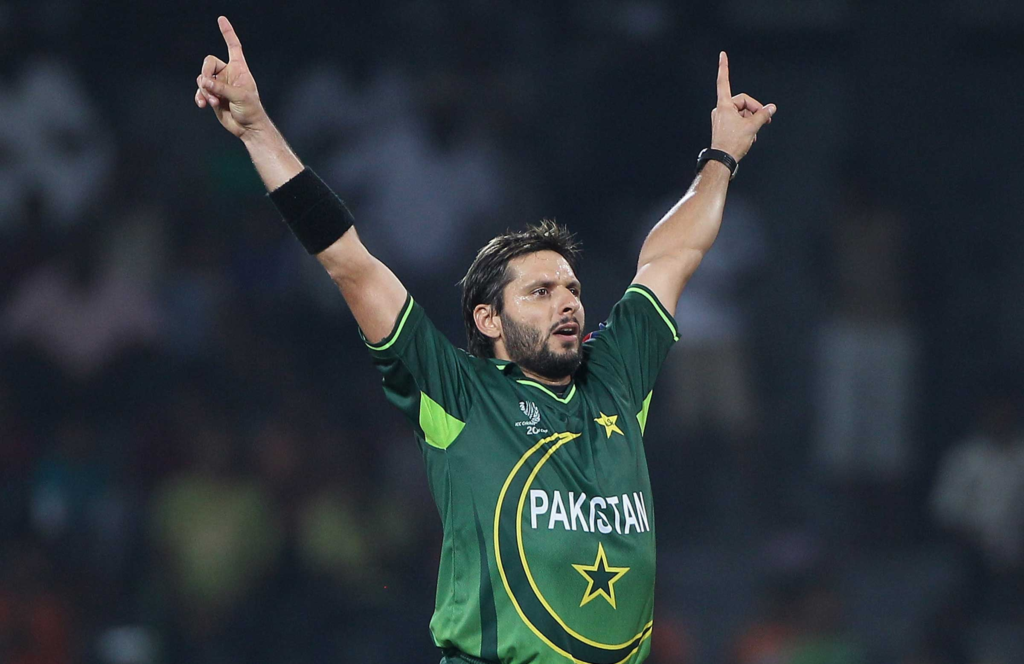
Shahid Afridi, often called “Boom Boom Afridi,” has made power-hitting an art form. On March 17, 2013, against South Africa, Afridi launched a six that traveled an incredible 153 meters. This shot remains the longest six recorded in international cricket and is remembered for its sheer audacity and timing.
Key highlights of the shot:
- Match Context: Played in a crucial ODI, turning momentum in Pakistan’s favor
- Technique: Perfect combination of bat speed and timing
- Impact: Cemented Afridi’s reputation as one of the most explosive batsmen in history
This six is not just a number; it’s a defining moment that showcases Afridi’s fearless approach, inspiring generations of cricketers to hit beyond the boundary.
Brett Lee – 130 Meters
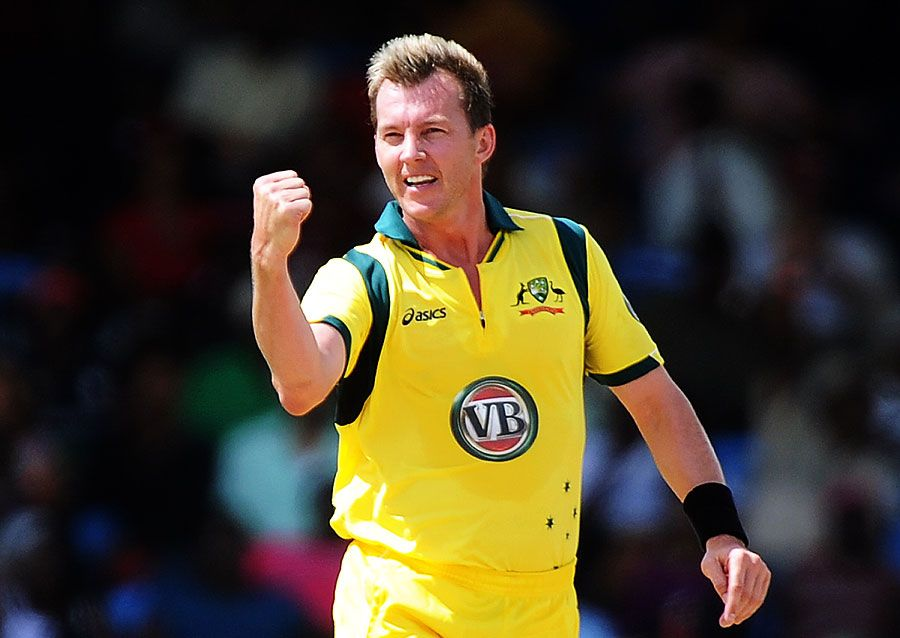
Brett Lee, known primarily for his fast bowling, surprised everyone with a colossal 130-meter six against England in 2005. It demonstrated that even bowlers could occasionally unleash extraordinary batting prowess.
Highlights of Brett Lee’s six:
- Match Context: A rare batting highlight in Lee’s ODI career
- Technique: Strong upper body strength with precise timing
- Significance: Showed the multidimensional skills of players and added a memorable highlight to Lee’s career
This moment is celebrated because it proves cricket is not only about batting specialists; anyone with skill and courage can create history.
Tim David – 129 Meters

Tim David, one of Australia’s most explosive modern power hitters, stunned fans in 2025 during a T20I against India. Facing left-arm spinner Axar Patel in Hobart, David launched a colossal six measuring 129 meters, sending the crowd into a frenzy.
Highlights of Tim David’s six:
- Match Context: Crucial T20I moment, adding quick runs in the middle overs
- Technique: Perfect timing with strong footwork and bat speed
- Impact: Established David as one of the most dangerous hitters in contemporary cricket
This six exemplifies modern cricket’s emphasis on raw power and precision, showing how players combine fitness, technique, and strategy to achieve extraordinary results.
Martin Guptill – 127 Meters
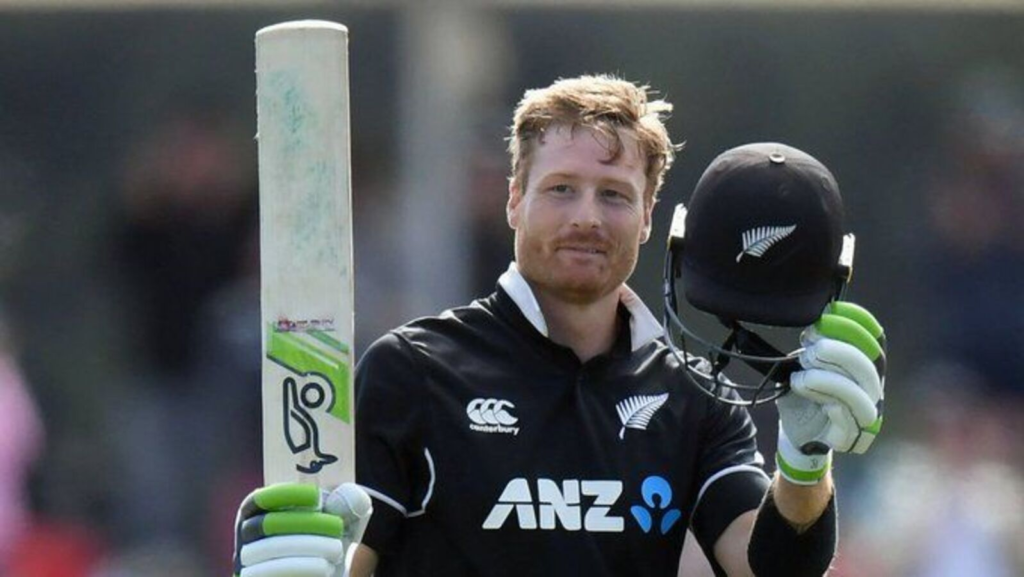
New Zealand’s Martin Guptill produced a memorable 127-meter six in 2012 against South Africa. Known for his elegant yet powerful batting style, this shot highlighted his ability to deliver in high-pressure situations.
Key points about Guptill’s six:
- Match Context: Crucial innings impacting the team’s total
- Technique: Balanced stance with maximum follow-through for distance
- Significance: Reinforced Guptill’s reputation as a premier power hitter in ODIs and T20Is
Guptill’s long six is celebrated because it combined finesse with brute strength, showing that massive hits can also come from technically sound players.
Liam Livingstone – 122 Meters
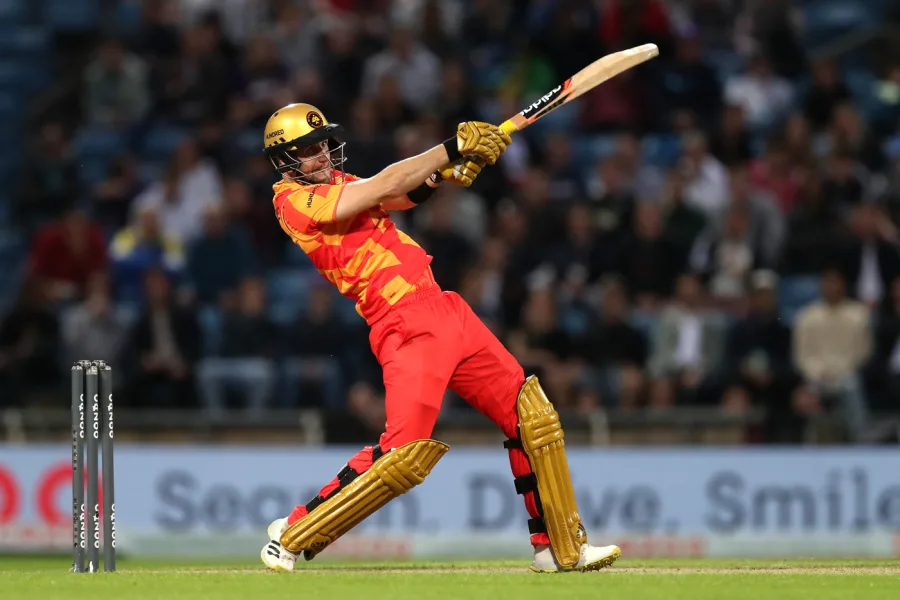
England’s Liam Livingstone made headlines with a 122-meter six against Pakistan in 2021 at Headingley. The shot cleared the stadium roof and landed on a nearby rugby pitch, turning a quick 38-run knock into a match-defining performance.
Highlights of Liam Livingstone’s six:
- Match Context: Helped England reach 200 runs, securing a 45-run victory
- Technique: Explosive backlift with perfect timing
- Impact: Showcased Livingstone’s ability to change matches within a few deliveries
Livingstone’s hit is an example of how power-hitting can influence outcomes in T20 cricket, making players indispensable in modern formats.
Corey Anderson – 122 Meters
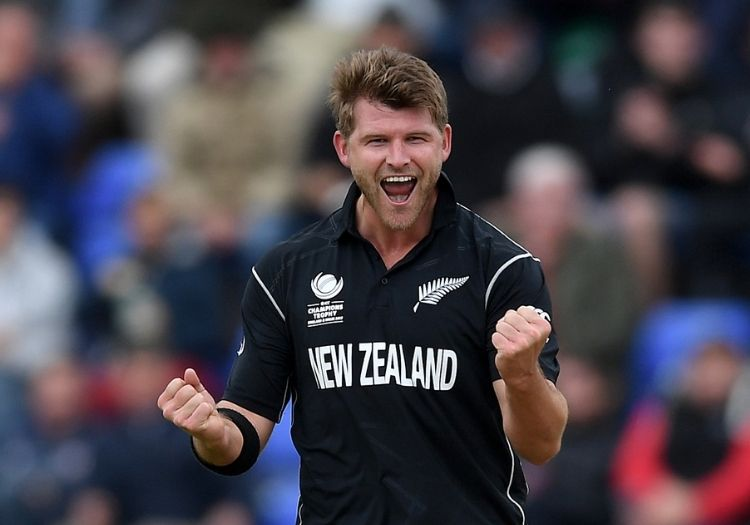
Corey Anderson of New Zealand also hit a 122-meter six in 2014, demonstrating his extraordinary ability to clear boundaries effortlessly. Known for his all-round capabilities, Anderson combined strength with precision.
Key highlights of Corey Anderson’s six:
- Match Context: Key shot in a high-scoring innings
- Technique: Perfect synchronization of body and bat movement
- Significance: Reinforced Anderson’s reputation as one of cricket’s most powerful hitters
This six exemplifies how preparation, technique, and natural power converge to create memorable cricketing moments.
Mark Waugh – 120 Meters
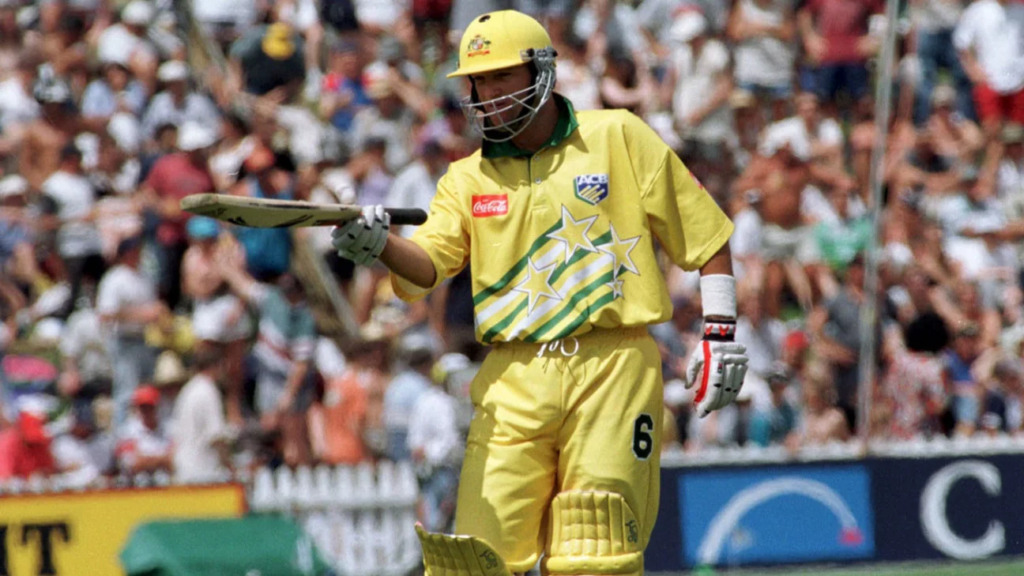
Australia’s elegant batsman Mark Waugh surprised fans with a 120-meter six in 1999 against New Zealand. Known more for finesse than brute force, Waugh showcased that technique and timing could generate exceptional distance.
Key points about Mark Waugh’s six:
- Match Context: Contributed significantly to Australia’s innings total
- Technique: Smooth, controlled swing maximizing bat speed
- Impact: Highlighted that even classical batsmen could deliver monumental sixes
Waugh’s shot remains memorable because it combined grace with power, proving that timing and technique are as important as strength.
Yuvraj Singh – 119 Meters
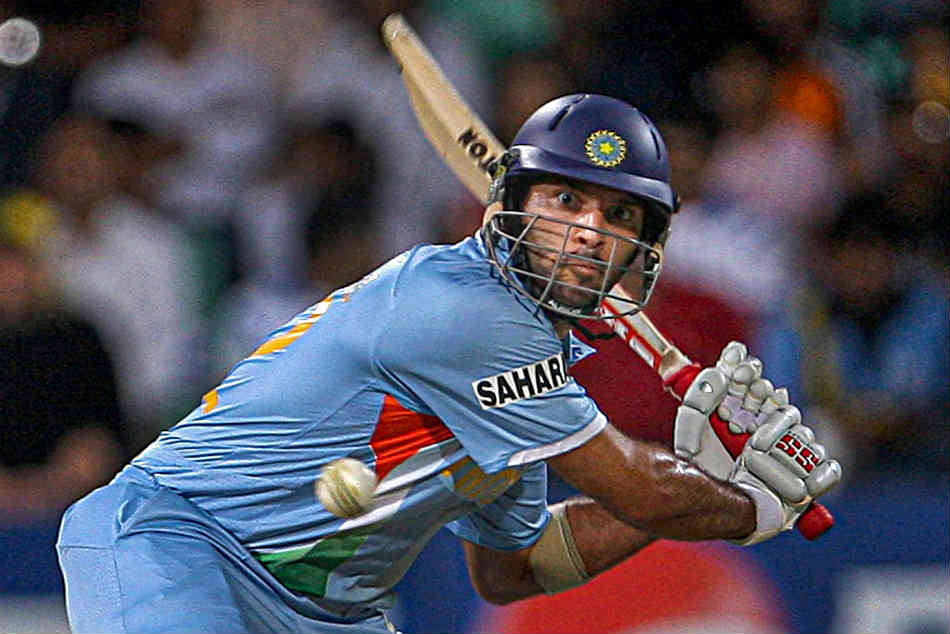
Indian legend Yuvraj Singh delivered a 119-meter six in 2007, part of his historic six sixes in an over. This T20I feat against Australia showcased audacity, precision, and explosive power.
Highlights of Yuvraj Singh’s six:
- Match Context: Iconic moment that inspired millions of young cricketers
- Technique: Perfect alignment and follow-through for maximum distance
- Significance: Reinforced Yuvraj’s reputation as one of India’s most fearless hitters
This six is celebrated not only for distance but also for its cultural impact on modern cricket, making Yuvraj a role model for aspiring power hitters.
MS Dhoni – 118 Meters
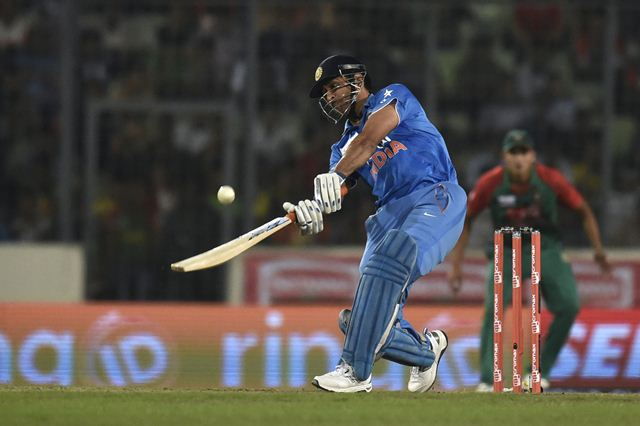
MS Dhoni, renowned for finishing games under pressure, hit a memorable 118-meter six against New Zealand in 2009. Known for his calm demeanor and explosive batting, Dhoni’s shot exemplified perfect timing in crucial moments.
Key highlights of MS Dhoni’s six:
- Match Context: Helped India secure victory in a tight ODI
- Technique: Strong wrist action with controlled power
- Impact: Demonstrated Dhoni’s ability to deliver match-winning sixes under pressure
Dhoni’s long six is a perfect example of strategic power-hitting, combining timing, placement, and strength to achieve maximum effect.
Shahid Afridi – 118 Meters

Shahid Afridi appears again with an 118-meter six in 2005 against Australia, proving his consistent ability to hit extraordinary sixes. Known as “Boom Boom Afridi,” his fearless approach made him a fan favorite.
Highlights of Shahid Afridi’s six:
- Match Context: Key contribution in an ODI against a top-tier bowling attack
- Technique: Explosive upper body strength with perfect follow-through
- Significance: Solidified Afridi’s status as one of the most explosive hitters in cricket history
This second appearance reinforces Afridi’s legendary power-hitting ability, combining timing, strength, and audacity to create unforgettable cricket moments.
Shivam Dube – 117 Meters
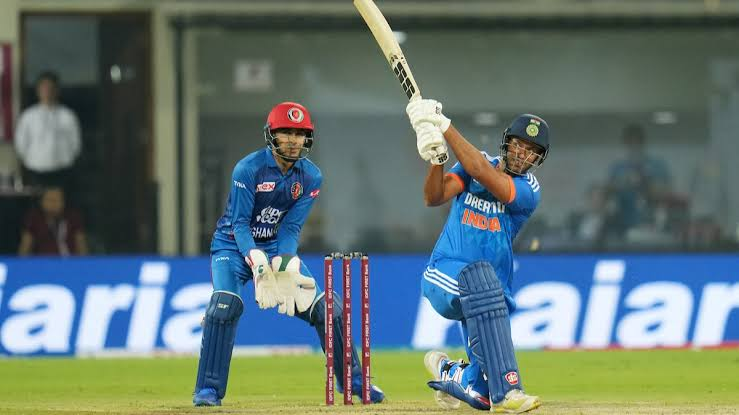
Shivam Dube, one of India’s most powerful modern hitters, made headlines in 2025 during a T20I against Australia. Facing spinner Adam Zampa, Dube launched a massive six measuring 117 meters, leaving spectators and commentators in awe.
Highlights of Shivam Dube’s six:
- Match Context: Key shot in middle overs to boost India’s total
- Technique: Strong backlift and explosive follow-through for maximum distance
- Impact: Showcased Dube’s raw strength and ability to change the momentum of a match
This six illustrates the growing trend of power-hitting in modern cricket, where younger players combine fitness and technique to deliver extraordinary results.
Chris Gayle – 116 Meters

Chris Gayle, known as the “Universe Boss,” is synonymous with long sixes. His 116-meter strike against India in 2010 exemplifies his aggressive T20 style and ability to clear any boundary with ease.
Key points about Chris Gayle’s six:
- Match Context: Crucial in building a high-scoring innings
- Technique: Upper body strength and impeccable timing
- Significance: Reinforced Gayle’s reputation as one of the most feared power hitters in T20 cricket
Gayle’s sixes are not just about distance; they’re a spectacle, entertaining fans and influencing how teams approach T20 batting strategies.
Ijaz Ahmed – 115 Meters
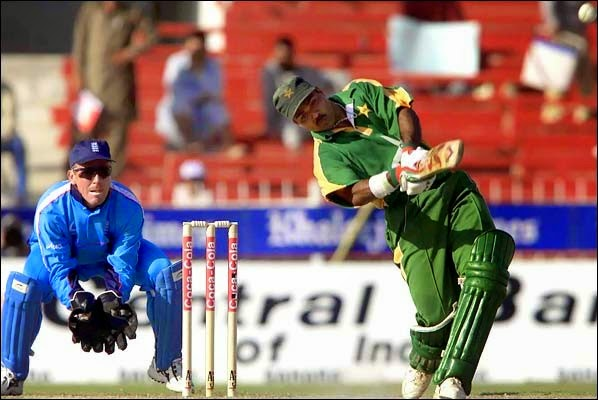
Pakistan’s Ijaz Ahmed delivered a 115-meter six in 1999 against India, showcasing his power-hitting prowess. Although less celebrated than some modern hitters, this six remains a standout moment in cricket history.
Highlights of Ijaz Ahmed’s six:
- Match Context: Crucial for Pakistan’s innings momentum
- Technique: Smooth swing with maximum follow-through
- Impact: Demonstrated that even in earlier eras, players could achieve extraordinary distances
Ijaz Ahmed’s hit highlights that exceptional sixes are not a modern phenomenon; power-hitting has been evolving for decades.
Rohit Sharma – 108 Meters
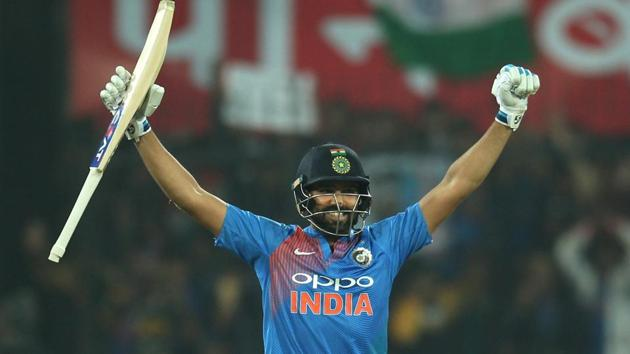
Rohit Sharma, India’s record-holding six machine, smashed a 108-meter six against South Africa in 2018 off Lungi Ngidi. This shot exemplifies Sharma’s unique combination of timing, technique, and raw power.
Key points about Rohit Sharma’s six:
- Match Context: Part of a dominant innings contributing to India’s total
- Technique: Perfect timing with controlled upper body strength
- Significance: Reinforced Sharma’s reputation as the leading six-hitter in international cricket
Sharma’s sixes are strategic as well as powerful, showing that calculated aggression can produce historic results and entertain fans worldwide.
Adam Gilchrist – 104 Meters
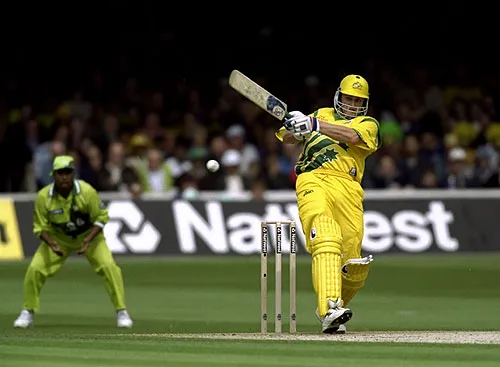
Australia’s Adam Gilchrist, one of the most aggressive wicketkeeper-batsmen, hit a 104-meter six against India in 2004. Known for his fearless approach, Gilchrist combined power and timing to dominate bowlers and clear the boundary effortlessly.
Highlights of Adam Gilchrist’s six:
- Match Context: Key shot in a high-pressure ODI innings
- Technique: Explosive backlift with strong wrist action
- Impact: Demonstrated Gilchrist’s ability to change games within a few deliveries
Gilchrist’s six exemplifies how aggressive batting can redefine roles in cricket, making wicketkeepers dangerous contributors with the bat.
Evolution of Power-Hitting in Cricket
The art of hitting long sixes has evolved significantly over the years. Improvements in fitness, strength training, and technique have enabled players to achieve distances that were once considered impossible. Equipment innovations, like lighter bats with larger sweet spots, have also enhanced hitting potential.
Key factors influencing long sixes include
- Player Training and Fitness: Modern regimes focus on explosive strength and endurance
- Equipment Innovations: Improved bats, balls, and protective gear allow confident, powerful hitting
- T20 and ODI Strategies: Teams increasingly include power hitters to accelerate scoring and influence outcomes
This evolution has made cricket more exciting and competitive, with long sixes becoming a spectacle fans eagerly anticipate.
Impact of Long Sixes on the Game
Long sixes do more than entertain; they influence match strategy, fan engagement, and the commercial aspect of cricket. Teams rely on power hitters to shift momentum quickly, while fans enjoy the thrill of seeing the ball soar over the stadium.
Impact highlights:
- Strategic Influence: Teams plan line-ups to include players capable of match-changing sixes
- Fan Engagement: Massive hits create memorable moments that enhance the sport’s appeal
- Commercial Benefits: Spectacular sixes boost TV ratings, sponsorship interest, and cricket’s global popularity
These elements show that long sixes are not just feats of strength—they shape modern cricket both on and off the field.
Conclusion: Shahid Afridi’s 153m Six Still Tops the List
The top 15 longest sixes in cricket history celebrate the perfect blend of strength, timing, and audacity. From Shahid Afridi’s legendary 153-meter strike to modern power hitters like Tim David and Shivam Dube, each six represents a defining moment in cricket.
Key takeaways:
- Long sixes showcase player skill, fitness, and technique
- Modern training and equipment have elevated the frequency and distance of sixes
- Power-hitting influences match strategy, fan engagement, and cricket’s global appeal
These players didn’t just clear the boundary; they created history. Their fearlessness and precision continue to inspire cricketers and thrill fans around the world.
FAQs: Top Longest Sixes in Cricket
1. Who hit the longest six in cricket history?
Shahid Afridi holds the record with a 153-meter six against South Africa in 2013.
2. Which modern player is known for hitting massive sixes recently?
Tim David and Shivam Dube have both hit sixes over 125 meters in 2025 T20Is.
3. What factors contribute to hitting a long six?
Player strength, timing, technique, bat quality, and pitch conditions all play a role.
4. Are six distances officially measured?
Yes, distances are recorded using stadium technology, cameras, and reliable match reports.
5. Who is the most consistent long-six hitter from India?
Rohit Sharma has hit over 600 international sixes, including some of the longest ones.
6. Does power-hitting affect player selection in T20s?
Absolutely. Teams often include specialist power hitters to accelerate scoring and influence match outcomes.
7. How has cricket evolved to produce more long sixes?
Advances in fitness, training, equipment, and game strategies have enabled players to hit further than before.
8. Can bowlers hit long sixes too?
Yes, players like Brett Lee have shown that even bowlers can occasionally hit massive sixes.
9. Which six is the most iconic in cricket history?
Afridi’s 153-meter six and Yuvraj Singh’s six sixes in an over are considered iconic for their distance and context.
10. Do long sixes increase fan engagement?
Yes, massive sixes are crowd-pleasers, boost viewership, and enhance cricket’s global popularity.

Hi, I’m Alex, a cricket author who follows the game every single day. I write match updates, player stories, league news, and simple guides for fans. My aim is to make cricket easy to read and fun to follow. From international games to local leagues, I track scores, form, and key moments to bring clear and useful content for readers who love the sport as much as I do.